

When you walk into any construction site, manufacturing facility, or corporate office, someone is working behind the scenes to make sure you walk out safely at the end of the day. That someone is the safety officer—a professional whose expertise can mean the difference between a workplace incident and a safe workday.
The role of a safety officer has evolved dramatically over the past decade. What was once primarily about hard hats and fire drills now encompasses everything from ergonomic assessments to mental health initiatives. Let’s explore what these professionals actually do and why their work matters more than ever.

What Does a Safety Officer Actually Do?
Think of a safety officer as part detective, part teacher, and part guardian. They’re constantly scanning the environment for potential hazards, educating workers on best practices, and implementing systems that prevent accidents before they happen.
The job goes far beyond walking around with a clipboard. These professionals analyze incident data, interpret complex regulations, coordinate emergency responses, and work with management to build a culture where safety isn’t just a policy—it’s a value.
[External link opportunity: Link to OSHA guidelines or relevant safety regulations]
Core Responsibilities That Define the Role
Risk Assessment and Hazard Identification
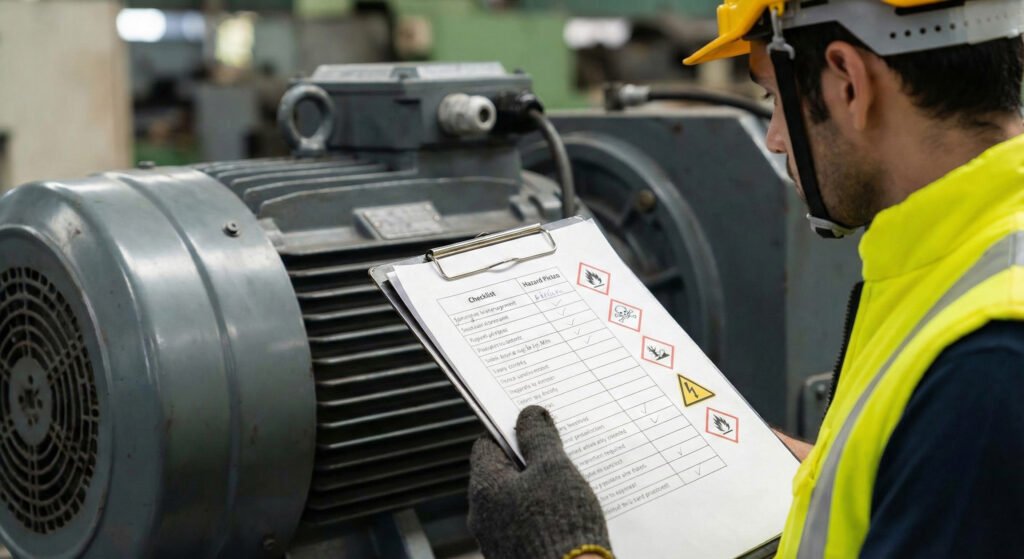
Every workplace has its dangers, whether obvious or hidden. Safety officers conduct systematic evaluations to spot these risks before they cause harm. They walk through facilities with a trained eye, asking questions like: What could go wrong here? Who would be affected? How likely is this to happen?
This isn’t a one-time task. Workplaces change constantly. New equipment arrives, processes evolve, and different hazards emerge. Safety officers stay ahead of these changes through regular inspections and ongoing risk assessments.
Developing and Implementing Safety Policies
Regulations tell you what you must do. Policies tell you how you’ll do it in your specific workplace. Safety officers bridge this gap by creating practical, enforceable policies that meet legal requirements while fitting the unique needs of their organization.
These policies cover everything from lockout/tagout procedures to heat stress prevention. The best safety officers write policies that people actually follow because they understand that complex, bureaucratic rules often get ignored.
Training and Education Programs
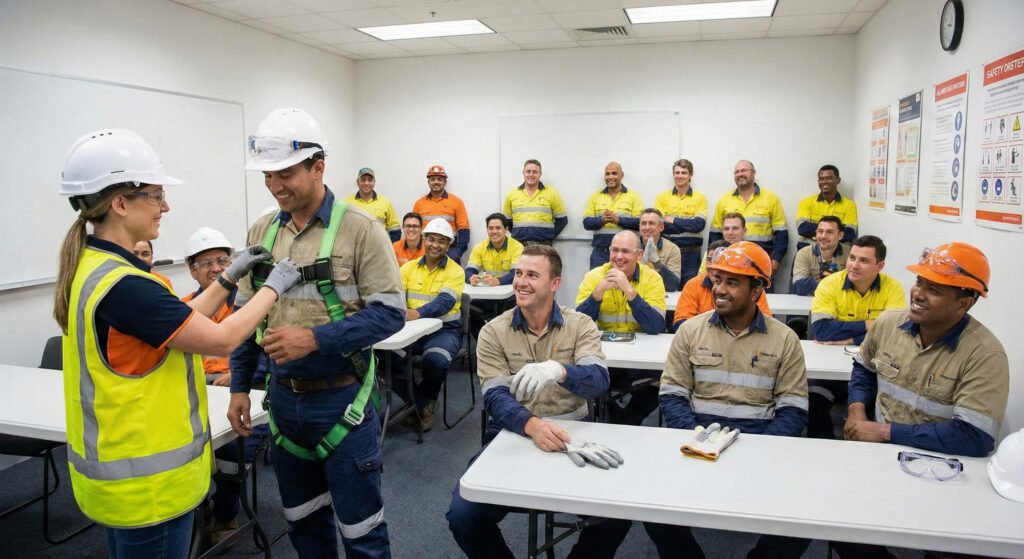
Knowledge saves lives. Safety officers design and deliver training programs that give workers the information they need to protect themselves and their colleagues. This includes new employee orientations, annual refresher courses, and specialised training for high-risk tasks.
Effective training goes beyond PowerPoint presentations. The best safety officers use hands-on demonstrations, real-world scenarios, and interactive discussions that help information stick. They also know how to adjust their communication style for different audiences, from warehouse workers to executives.
Incident Investigation and Reporting
When something goes wrong, safety officers lead the investigation. Their goal isn’t to assign blame but to understand exactly what happened and why, so similar incidents can be prevented in the future.
They interview witnesses, examine the scene, review procedures, and analyse contributing factors. Then they document findings and recommend corrective actions. This investigative work requires both analytical thinking and interpersonal skills, as people need to feel comfortable sharing information without fear of punishment.
Regulatory Compliance Management
Safety regulations come from multiple sources: federal agencies, state authorities, industry standards, and company policies. Safety officers track these requirements, ensure their organization meets them, and maintain documentation that proves compliance.
When inspectors arrive, the safety officer serves as the primary point of contact. They coordinate site visits, provide requested information, and address any violations identified. This regulatory knowledge protects the organization from fines, lawsuits, and reputational damage.
Day-to-Day Activities You’ll Find on Their Calendar
Morning Safety Inspections
Many safety officers start their day with a workplace walkthrough. They check that equipment is functioning properly, emergency exits are clear, and yesterday’s hazards have been addressed. These routine inspections catch small problems before they become big emergencies.

Meetings and Collaboration
Safety isn’t a solo mission. Officers regularly meet with department heads, maintenance teams, and management to discuss concerns, plan improvements, and align safety initiatives with business operations. They also participate in safety committees and coordinate with external partners like insurance companies and regulatory agencies.
Documentation and Record-Keeping
Paperwork might not be glamorous, but it’s essential. Safety officers maintain detailed records of inspections, training sessions, incidents, and corrective actions. These records serve as evidence of compliance, help identify trends, and provide data for continuous improvement.
Emergency Response Coordination
When an emergency strikes—whether a fire, chemical spill, or medical event—the safety officer springs into action. They coordinate the response, communicate with emergency services, ensure proper evacuation procedures are followed, and oversee the situation until normalcy returns.
Specialized Roles Within the Safety Field
Construction Safety Officers
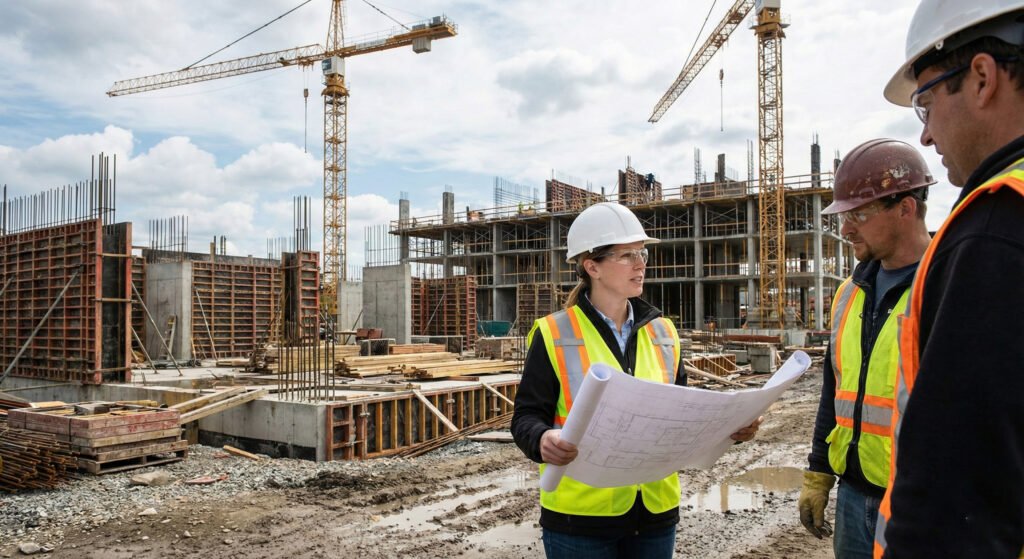
Construction sites present unique challenges with constantly changing conditions, multiple contractors working simultaneously, and inherently dangerous tasks like working at heights. Construction safety officers specialise in fall protection, excavation safety, crane operations, and coordinating safety among various trades.
Industrial Safety Specialists
Manufacturing and processing facilities deal with heavy machinery, chemical exposures, and high-noise environments. Industrial safety officers focus on machine guarding, lockout-tagout procedures, hearing conservation, and process safety management.
Corporate EHS Managers
In office environments, safety concerns shift toward ergonomics, indoor air quality, workplace violence prevention, and emergency preparedness. Environmental health and safety managers in corporate settings often oversee multiple locations and focus on program development and compliance oversight.
Essential Skills That Set Great Safety Officers Apart
Technical Knowledge and Certifications
The foundation of any safety career is solid technical knowledge. Most safety officers hold certifications like CSP (Certified Safety Professional), CHST (Construction Health and Safety Technician), or ASP (Associate Safety Professional). They understand industrial hygiene, ergonomics, fire protection, and occupational health.
But certifications are just the beginning. Great safety officers commit to lifelong learning, staying current with emerging hazards, new technologies, and evolving regulations.
Communication and Influence
You can have all the safety knowledge in the world, but if you can’t communicate it effectively, you won’t make anyone safer. Top safety officers know how to translate technical jargon into plain language, deliver difficult messages tactfully, and persuade skeptical stakeholders that safety investments are worth making.
They’re equally comfortable presenting to the C-suite and chatting with frontline workers. This communication ability helps them build trust and buy-in across all levels of the organization.
Problem-Solving and Critical Thinking
Every workplace is different, and cookie-cutter solutions rarely work. Safety officers must analyze complex situations, consider multiple factors, and develop creative solutions that balance safety with operational needs. When a standard approach isn’t feasible, they figure out alternative methods that achieve the same protective outcome.
Leadership and Influence Without Authority
Here’s something many people don’t realize: safety officers often have responsibility without direct authority. They can’t force a production manager to shut down a line or make a vice president approve a budget increase. Instead, they lead through influence, using data, relationships, and persuasive communication to drive safety improvements.
This requires emotional intelligence, patience, and strategic thinking. The best safety officers build coalitions, frame safety in terms that resonate with different stakeholders, and celebrate wins to build momentum.
The Impact of Technology on Modern Safety Work
Digital Inspection Tools and Mobile Apps
Gone are the days of paper checklists and clipboards. Today’s safety officers use mobile apps that streamline inspections, capture photos instantly, generate automatic reports, and track corrective actions in real time. This technology makes them more efficient and provides better data for analysis.
Data Analytics and Predictive Safety
Advanced organizations are moving from reactive to predictive safety. By analyzing incident trends, near-miss reports, and leading indicators, safety officers can identify patterns and intervene before injuries occur. Data visualization tools help them communicate these insights to leadership in compelling ways.
Wearable Technology and IoT Sensors
Some workplaces now use wearable devices that monitor worker fatigue, detect dangerous gas exposures, or alert workers when they enter hazardous zones. Safety officers evaluate these technologies, oversee implementation, and use the data they generate to improve programs.
Challenges Safety Officers Face Daily
Balancing Safety with Productivity
One of the toughest challenges is the perceived conflict between safety and productivity. When production deadlines loom, safety measures can be viewed as obstacles rather than protections. Safety officers must demonstrate that good safety practices actually improve efficiency by preventing costly incidents and downtime.
Overcoming Complacency
When workplaces go months or years without a serious incident, people become complacent. Workers take shortcuts, management deprioritises safety spending, and the safety officer must find ways to maintain urgency without being seen as “crying wolf.”
Limited Resources and Budget Constraints
Safety officers often find themselves fighting for budget dollars against other business priorities. They must make strong business cases for safety investments, prioritize the most critical improvements, and get creative with limited resources.
Building a Career as a Safety Officer
Educational Pathways
Most safety officers start with a bachelor’s degree in occupational safety, environmental health, or a related field. Others transition from technical roles in engineering, nursing, or skilled trades, bringing valuable industry knowledge to their safety work.
Continuing education is essential. Professional certifications, specialized training, and advanced degrees help safety officers advance in their careers and stay competitive in the job market.
start your career in safety with safetycatch nebosh course
Salary Expectations and Job Outlook
Safety officer salaries vary widely based on industry, experience, and location. Entry-level positions might start around $45,000-$55,000, while experienced safety managers in high-risk industries can earn well over $100,000. The profession offers solid job security, as workplace safety will always be necessary.
Professional Development Opportunities
Safety organizations like ASSP (American Society of Safety Professionals), ASSE, and BCSP offer networking, training, and certification programs. Attending conferences, participating in local chapters, and joining online communities help safety officers stay connected and learn from peers.
Creating a Safety Culture: The Ultimate Goal
The most successful safety officers understand that their ultimate goal isn’t just compliance or low incident rates—it’s creating a culture where everyone takes ownership of safety. This happens when safety becomes part of how people think, not just what they do.
In these cultures, workers speak up about hazards without fear, management makes safety a genuine priority (not just lip service), and continuous improvement is the norm. The safety officer’s role evolves from enforcer to facilitator, helping the organization sustain and deepen its commitment to protecting people.
The Rewarding Reality of Safety Work
Yes, being a safety officer can be challenging. You deal with resistance, work with tight budgets, and carry the weight of knowing that your decisions directly impact people’s wellbeing. But there’s something deeply meaningful about going home knowing you’ve made someone else’s workplace safer.
Every prevented injury, every hazard corrected, every worker who goes home healthy to their family—these are the rewards that make the challenges worthwhile. Safety officers don’t just protect people at work; they protect futures, livelihoods, and the fabric of families and communities.
Taking the Next Step
Whether you’re considering a career in safety, looking to improve your organisation’s safety program, or trying to understand what your safety officer actually does all day, remember this: effective safety work is about people, not just policies. It requires both technical expertise and human connection, regulatory knowledge and creative problem-solving.
The best safety officers never stop learning, never stop caring, and never stop finding better ways to protect the people who make businesses run.